
Scope 3: Supplier & Vendor Esg Assessment
Supplier ESG assessment that gets real data out of your supply chain
Our supplier ESG assessment services deliver a verification programme vendors actually complete, because they receive a credible rating and badge worth having at the end.

Verified supplier data, for two purposes
A supplier ESG assessment collects verified environmental, social, and governance data from the companies you source from. This vendor ESG assessment includes scoring and rating them, using the result for two critical objectives.
Most supplier ESG programmes fail the same way. A long questionnaire goes out by email. A handful of suppliers respond. Half the answers are unusable. The exercise quietly dies, and your buyer, regulator or parent company is still waiting for the number.
- Your own Scope 3 carbon accounting.
- A clear view of where your supply chain ESG risk management priorities actually sit.
Bridge: the supplier data portal
With us, suppliers get a portal, a shorter and relevant set of questions, and a rating and badge at the end that helps them with their other customers too.
A supplier who completes an assessment for you has built something reusable: a verified profile and a rating they can present elsewhere. That is deliberate: it is what makes them willing to do the work.
- Each supplier gets their own secure login.
- Questions filter to the supplier’s actual operations.
- Guidance written into each question, explaining where the answer sits in their records.
- Documents uploaded against the answer they support.
- Progress visible to both sides.
- Scorecards and rating certificates issued through the portal.
- A supplier profile that persists, so next cycle is an update, not a redo.

The supplier ESG assessment rating system
Suppliers are scored across core pillars in Environment, Social and Governance. Data is also collected to support your own Scope 3 carbon accounting.
| Band | ESG score | What it signals |
|---|---|---|
| Platinum | Above 90 | Genuinely leading. Systems, data and third-party verification all in place. |
| Gold | 75 – 90 | Strong performer. Minor gaps only. |
| Silver | 60 – 74 | Competent. Doing the fundamentals, missing the formal systems. |
| Bronze | 45 – 59 | Early stage. Basic compliance, little measurement. |
| Committed | Below 45 | Has engaged, but has substantial ground to cover. |
Our supplier ESG assessment approach
Six steps, one cycle.
| Step | What happens |
|---|---|
| Segment the supplier base | We tier by spend, criticality, and ESG risk management priorities, then set the level of assessment per tier. |
| Onboard through Bridge | Suppliers get their own login, with clear instructions on what is needed, why, and where to find it. |
| Collect and validate | Responses arrive through the portal. We chase, clarify and cross-check against supporting documents. |
| Score and rate | Each supplier is scored across core pillars and placed in a rating band. |
| Issue scorecards and certificates | Suppliers receive their own scorecard and badge; you receive the consolidated view. |
| Feed your Scope 3 accounting | Primary data replaces spend-based estimates in the categories where accuracy matters most. |
What you receive with our supplier ESG assessment
- An individual scorecard, rating band and report for every assessed supplier.
- A consolidated supply chain view: performance by category, by region, by spend band.
- A supply chain ESG risk management map showing exactly where your exposure lies.
- Primary supplier data structured for your Scope 3 inventory.
- Badges and certificates issued to participating suppliers.
Case study: Supply chain
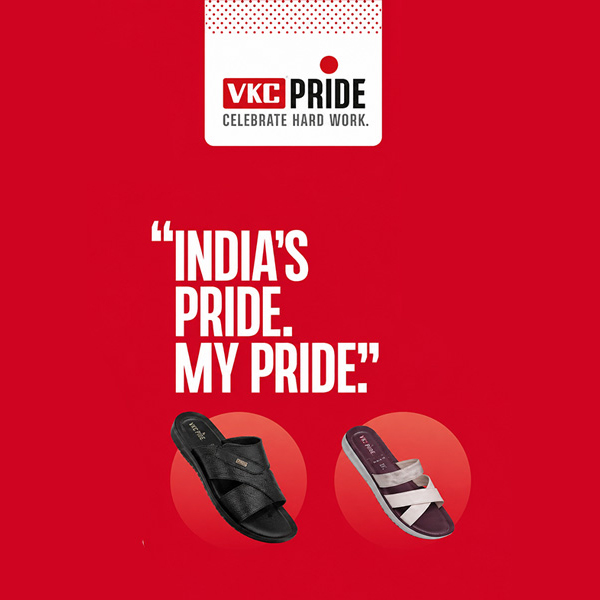
Footwear manufacturer, Kozhikode
The supplier base
Thirteen suppliers across PU chemicals, synthetic leather, components, threads and packaging: a mix of large multinationals and small local vendors, which is what most Indian supply chains actually look like.
What we did
Built a multi-pillar rating model for a comprehensive vendor ESG assessment, ran the collection through the portal, validated responses against supporting documents, and scored every supplier.
What came out
The top of the range was a global chemicals supplier at Platinum; the bottom was a small vendor with essentially no formal systems. That spread told the client more about their real supply chain risk in one exercise than years of self-declaration forms had. Every supplier received their own scorecard and certificate, and the primary data fed directly into the client’s Scope 3 work.
FAQ
Frequently asked questions
Something we have not covered? Ask us directly. A straight answer costs nothing.
How many suppliers should we start with?
Start with the ones that matter: typically the top 10 to 20 by spend or by criticality. Covering everyone in year one can be tedious.
What if a supplier refuses to participate?
That is useful information in itself. We report non-response separately, so you can decide commercially. In practice, a structured supplier ESG assessment brings most suppliers in because the resulting badge and scorecard help them with their other customers too.
Does this give us our Scope 3 number?
It gives you real, primary data for the categories that depend on suppliers, which is far better than spend-based estimates. We usually run this alongside a full GHG inventory.
Do our suppliers have to pay?
No. The programme is commissioned by you. Suppliers participate free and receive their scorecard and badge at no cost.
Can suppliers use their badge elsewhere?
Yes, and we encourage it. That is precisely what makes them willing to do the work.
Insights
Related insights



Next step
Turn your supplier list into supplier data.
Tell us how many suppliers you have and what you are being asked for. We will propose a realistic first cycle.