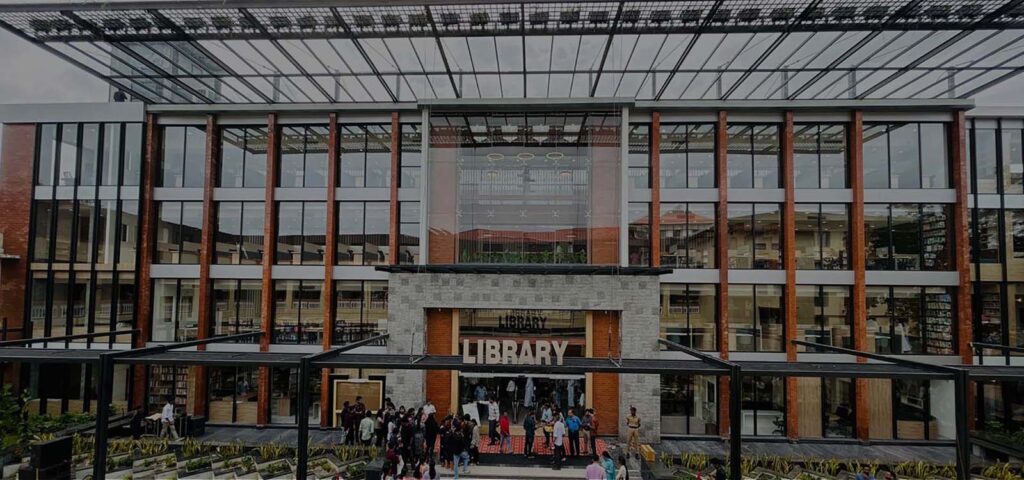

The Ayurveda Boom
A Living Engine of Prosperity
India’s Ayurveda economy today stands at a remarkable USD 43 billion. It already contributes about 1.1% to the national GDP, with projections soaring to 5% by 2047. This isn’t just herbal medicine on shelves – it’s a living engine of prosperity.
The sector has grown eight-fold in the last decade, fueled by rising global demand for natural wellness. Ayurvedic products and services now reach over 150 countries. In Kerala alone, the Ayurveda economy is eyed to hit Rs 60,000 crore by 2031 and Rs 5 lakh crore by 2047, aligning with India’s Viksit Bharat vision.
$43BAyurveda Economy
1.1%of National GDP
8×Growth in a Decade
150+Export Countries
Societal Impact
More Than Herbs on a Shelf
Ayurvedic centres create thousands of direct and indirect jobs, support rural farmers, empower women in traditional roles, and deliver affordable preventive healthcare that eases pressure on conventional medical systems.
Jobs Created
Direct and indirect employment across clinical care, therapy, research, herbal processing, hospitality, and supply chains.
Rural Farmers
Regional sourcing of medicinal herbs supports countryside agriculture and preserves traditional cultivation.
Affordable Care
Preventive healthcare that eases pressure on conventional medical systems and reaches underserved communities.
Living Tradition
Ancient knowledge kept alive while fostering inclusive growth across Kerala and Tamil Nadu.
The Hidden Cost
Rapid Expansion Brings Real Risks
South India’s Ayurveda heartland is seeing a surge in hospitals, resorts, and processing units. In a sector built on harmony with nature, unchecked growth could undermine the very trust patients place in it.
Water & Energy Strain
Each new facility consumes significant water for therapies and energy for sterilisation and lighting.
Waste & Pollution
Herbal residue, packaging, and biomedical waste can pollute local water bodies and soil if mismanaged.
Unmeasured Carbon
Patient travel, supply chains, and daily operations quietly add to emissions without proper measurement.
This Is Where BTS Steps In
The Sustainability Index Metric (SIM)
A tailored, evidence-based framework that scores an organisation’s ESG performance, benchmarks it against Ayurvedic peers, and delivers a clear, actionable roadmap. Aligned with national standards like BRSR and global ones like GRI.
Carbon Impact
Quantifies emissions across operations and supply chains.
Water & Energy
Measures consumption efficiency and renewable adoption.
Waste Handling
Evaluates segregation, composting and compliance.
Community Engagement
Captures local jobs, outreach and farmer impact.
Governance
Validates ethics, accountability and policy alignment.
Actionable Roadmap
Equips leaders with verified data and clear next steps.
Proven in Practice
Two Flagship Projects, One Shared Philosophy
Both institutions show the power of the SIM approach in action – turning vague intentions into verified numbers and practical steps.
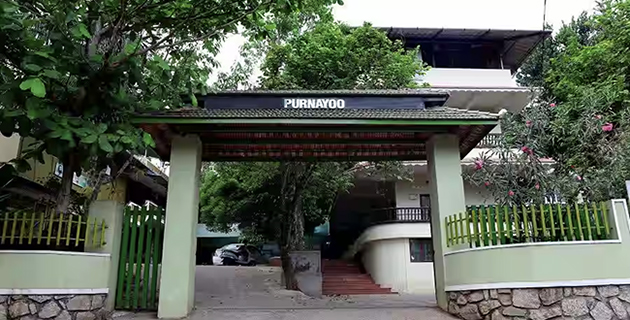
Purnayoo Arogya Nikethanam
The first Ayurvedic hospital in India and Kerala to earn a SIM rating – achieving the prestigious Sustainability Specialist badge. The assessment validated and strengthened practices that now deliver tangible outcomes.
- Solar energy and energy-efficient lighting cut reliance on non-renewables
- Low-flow fixtures and mindful management in therapy areas conserve water
- Biomedical segregation + on-site composting return nutrients to the soil
- 30%+ of food from the centre’s own organic garden; herbs and milk sourced locally
- Free medical camps benefit ~250 individuals every year
- NABH accreditation confirms safety and ethics
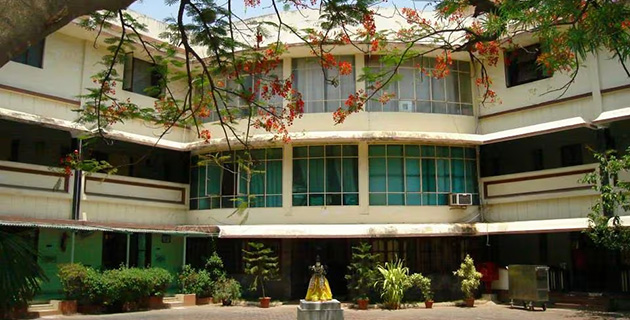
Arya Vaidya Chikitsalayam & Research Institute: 76 SIM Score
AVC&RI earned a solid 76/100 with the Sustainability Specialist badge. The assessment highlighted strengths while setting clear improvement paths for the research powerhouse.
- 320 direct jobs – physicians, therapists, nurses, researchers and support staff
- Over 80% of medicinal herbs sourced from rural farmers
- 20% campus canopy cover for air quality, cooling and carbon sequestration
- Solar infrastructure utilising 10,000 litres of water daily
- Annual water consumption tracked at 2.73 crore litres
- Waste segregated, composted and handled per CPCB norms
Beyond Compliance to Leadership
These Are Not Isolated Wins
By applying SIM, BTS has helped both institutions move beyond compliance to leadership – turning the risks of rapid growth into proven societal gains.
Jobs
Created & Protected
Sustainable operations attract conscious patients and responsible investment.
↓ Carbon
Water & Energy
Resources used far more efficiently than industry norms, cutting costs and footprints.
Waste
Burden to Resource
Composting and certified processing close the sustainability loop.
Farmers
Reliable Markets
Rural economies gain dependable income and traditional agriculture endures.
A Quiet Transformation
Ancient Healing Meets Modern Stewardship
While the Ayurveda industry races toward a 5% GDP share, BTS ensures this expansion remains rooted in the very principles of balance that define the science itself.
Every job sustained, every litre of water conserved, every kilogram of waste returned to the earth, and every community member reached adds up to something larger: a greener, more inclusive future for South India’s Ayurveda boom.
“In an era when patients seek not just cures but conscience, Build to Sustain is showing the world that true wellness extends far beyond the treatment room.”
Build to SustainHealing societies and the planet