
Overview
Turning good intentions into measurable sustainability performance
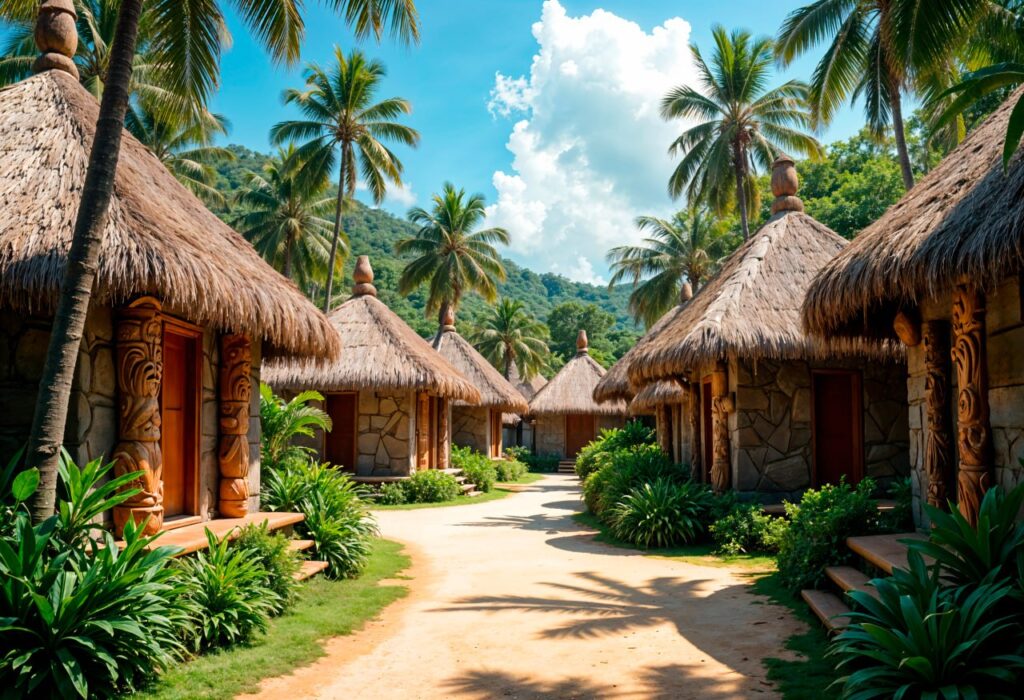
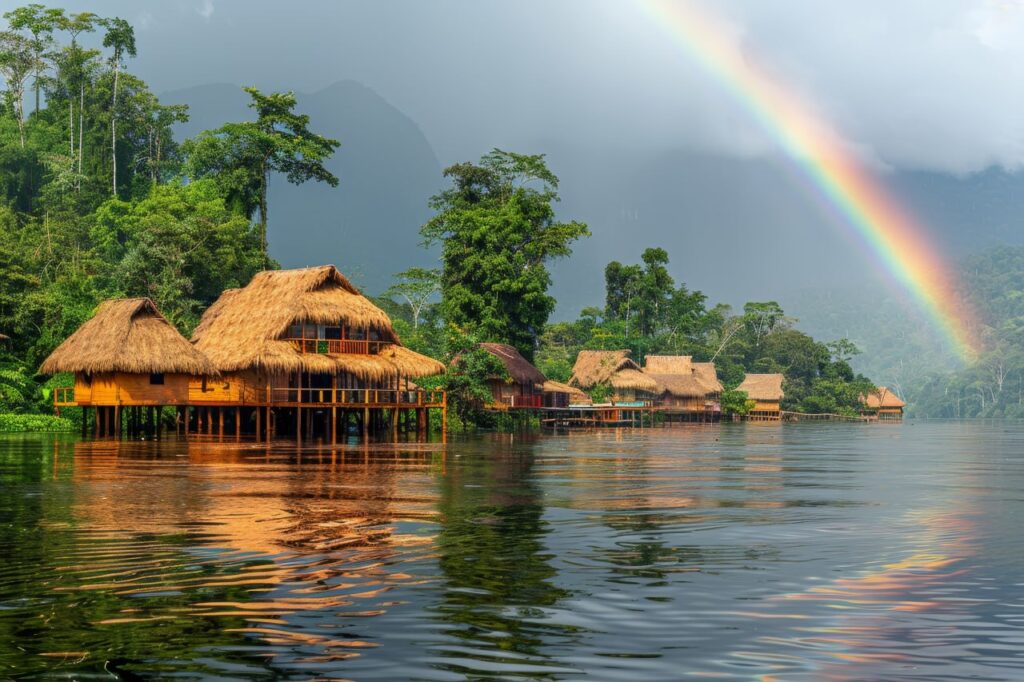
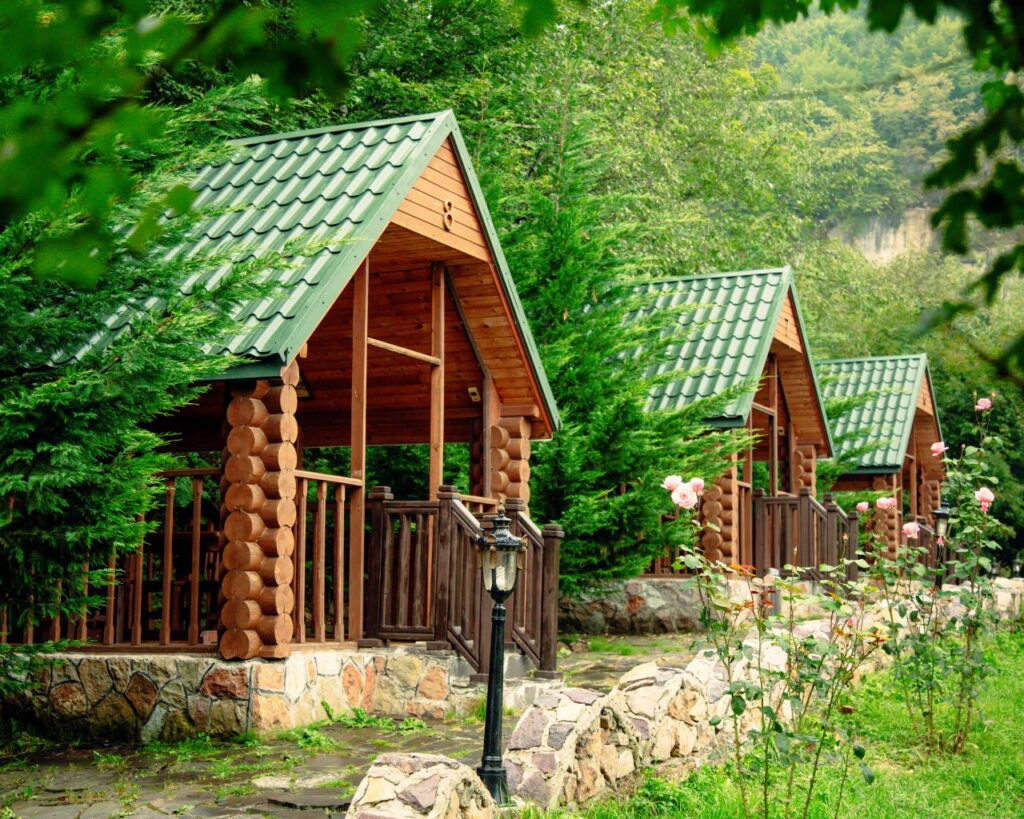
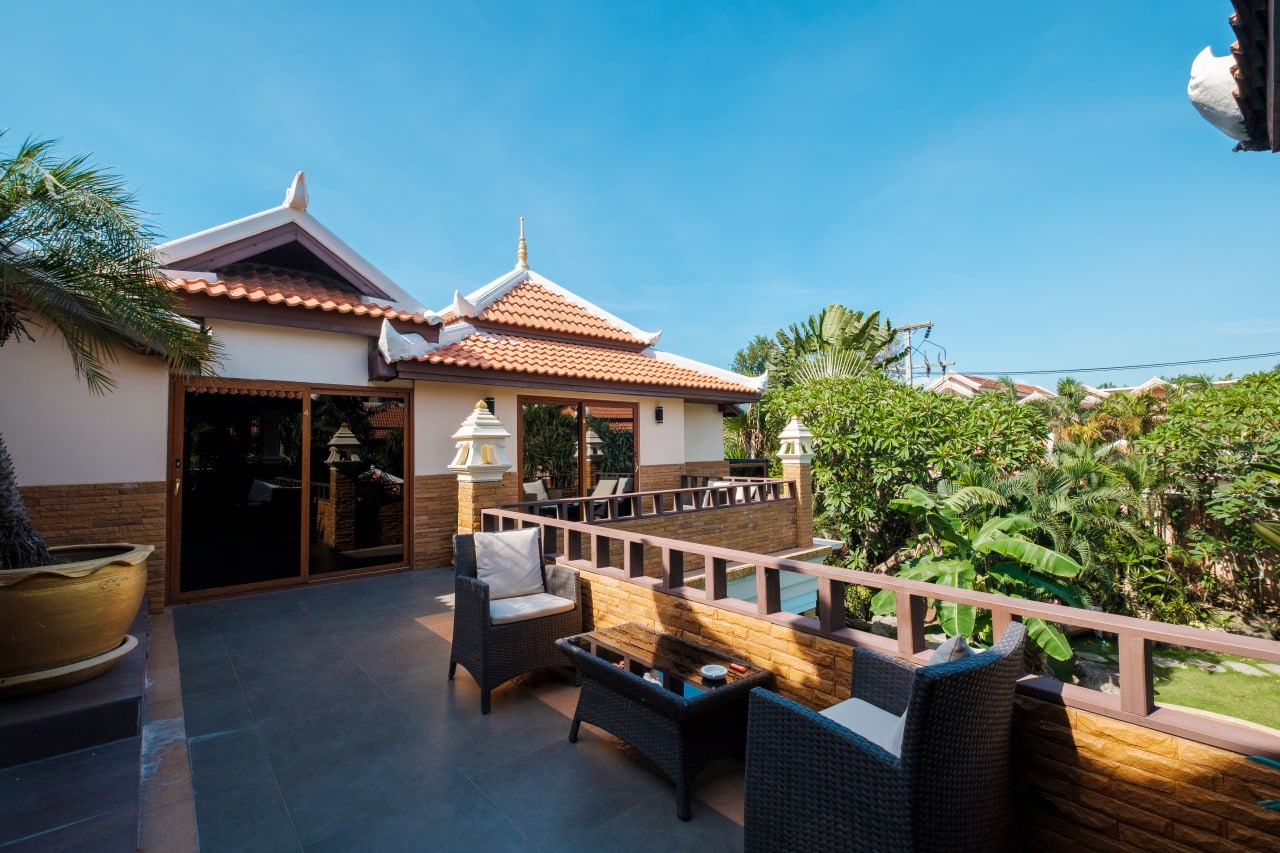
Diamond Class Homestay is a premium property in Meppadi, Wayanad, Kerala. Nestled in the Western Ghats, the property offers mountain views, tea estates, evergreen forests, and streams.
Operating in the competitive eco-lodge and sustainable homestay sector, Diamond Class Homestay wanted to strengthen its sustainability credentials, manage operating costs, and meet growing guest expectations for responsible tourism.
The homestay partnered with Build to Sustain for a structured ESG assessment using the SIM framework. The goal was to translate existing sustainability practices into measurable performance while minimising disruption to daily operations.
Problem Identification
Rapid growth straining resources and systems
Diamond Class Homestay became increasingly popular among eco-conscious travellers, placing greater demands on resources and operational systems. Utility costs increased, waste management required greater attention, and manual tracking made sustainability monitoring more difficult.
Environmental Challenges
- Water Consumption: While rainwater harvesting existed, some areas showed scope for higher recycling rates and leak prevention during dry seasons common in Wayanad.
- Energy Consumption: Renewable backup protocols were in place, yet full renewable sourcing and appliance certification could improve further.
- Materials: Sustainable wood and low-VOC paints scored positively, but consistent tracking during future upgrades remained a gap.
- Waste Management: Recycling bins and kitchen composting operated, but full waste segregation scored low with 11-20% going to landfill.
Social Challenges
- Community Programs: Local skilled persons filled 51-75% of roles, but structured community programs and guest education on sustainability lagged.
- Indoor Environment: Temperature control and adjustable blinds had only partial adoption despite good air exchange and wellness spaces.
- Transport: Proximity to public transport scored high, but bicycles, shuttle services, and EV charging were absent.
Governance Challenges
- Digital Tracking: No formal digital ESG tracking system existed. Records remained partly manual.
- Certifications: Sustainability certifications stayed limited with awareness of GHG emissions lacking structured documentation.
- Compliance: Waste segregation and hygiene protocols needed formalization to support audit-ready governance.
Solution Implementation
Phased, low-disruption ESG enhancement program
Build to Sustain delivered a phased program tailored for small eco-lodges. Implementation spanned eight weeks while the homestay remained fully operational, prioritizing Kerala-sourced, affordable solutions.
Environmental
Solutions
- 1. Water Systems Enhancement
Strengthened rainwater harvesting and greywater recycling with better filtration. Conducted full plumbing audit and preventive maintenance to address potential leaks. - 2. Energy Optimization
Installed additional solar capacity, upgraded to Energy Star-equivalent appliances, and rolled out smart energy management protocols with auto lights-off in vacant areas. - 3. Waste Management Upgrade
Introduced full waste segregation with clearly labeled bins, biogas digester support, and partnerships with local recyclers to push landfill diversion below 5-10%. - 4. Green Cover Expansion
Promoted more native plants and expanded green cover initiatives. Prioritized local, recycled materials (>20% target) in renovations with low-VOC finishes.
Governance
Solutions
- 1. Digital ESG Dashboard
Deployed a user-friendly mobile-friendly ESG dashboard integrated with daily operations. Tracks water, energy, waste, and SIM-related metrics for real-time scoring. - 2. Documentation & Compliance
Updated documentation and supplier contracts with sustainability clauses. Prepared standardized reports for renewals and future certifications. - 3. Policy Formalization
Formalized policies for GHG awareness, nature conservation support, and unique carbon-reduction practices. Created audit-ready records for higher ratings.
Social
Solutions
- 1. Staff Training Program
Conducted hands-on training for all staff on water/energy conservation, waste handling, and guest engagement. Created part-time sustainability roles for community youth. - 2. Community Integration
Launched community tie-ups using local produce for meals and short eco-tours that support nearby villages. Increased local hiring opportunities. - 3. Guest Experience Enhancement
Developed guest welcome kits with sustainability tips, feedback cards, and invitations to participate in green practices. Added bicycle availability for guests.
Results
Clear, measurable improvements across all areas
The SIM-guided interventions delivered clear, measurable improvements that directly resolved the identified challenges.
8.70
SIM Score (out of 10)
<10%
Waste to Landfill
↑
Guest Satisfaction
↓
Operational Costs
Key Outcomes
- Water efficiency improved — reducing reliance on external sources during dry periods and cutting monthly costs significantly.
- Waste to landfill dropped sharply — with full segregation and composting/biogas in place, eliminating odour, pests, and disposal expenses.
- Energy consumption reduced — shifted more toward renewables with decreased monthly electricity bills through LEDs, smart controls, and solar expansion.
- Staff morale and retention rose — with training and local involvement strengthening the team.
- Guest satisfaction increased — visitors noticed and appreciated visible eco-practices, leading to stronger reviews and repeat bookings.
- Governance strengthened dramatically — the dashboard simplified tracking and reporting with compliance becoming routine.
Conclusion
From potential vulnerabilities to proven strengths
Diamond Class Homestay strengthened its sustainability practices through targeted ESG support from Build to Sustain. Using the SIM framework, the property improved its approach to water and energy management, waste reduction, community engagement, and sustainability governance.
The initiatives were designed to preserve the property’s guest experience while integrating practical sustainability measures into daily operations. The case demonstrates how structured measurement and targeted improvements can help eco-lodges strengthen resource efficiency, responsible tourism practices, and sustainability reporting.
The overall business impact can include improved resource management, greater operational efficiency, and stronger communication of sustainability practices to guests and partners. Specific financial or reputational outcomes should be reported only where supported by measured data.
Ready to measure your property’s sustainability?
Build to Sustain offers SIM assessments, customised ESG roadmaps, and implementation support tailored to homestays and eco-lodges.