
Overview
A unique tribal heritage destination embraces sustainable tourism
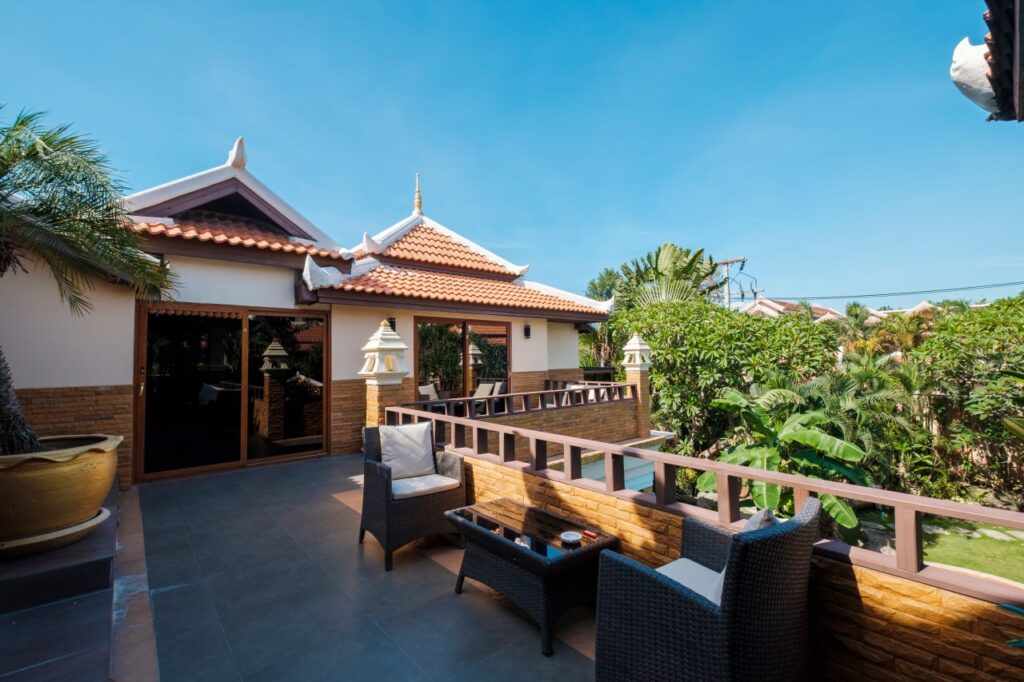
Heritage Tribal Village is a cultural preservation and tourism destination in Kerala’s Wayanad district. Established in 2022 by the Kerala State Government, the dedicated tribal heritage village showcases indigenous traditions. Located in the Pookode area, near the Lakkidi viewpoint, the village spans a 25-acre hilltop landscape.
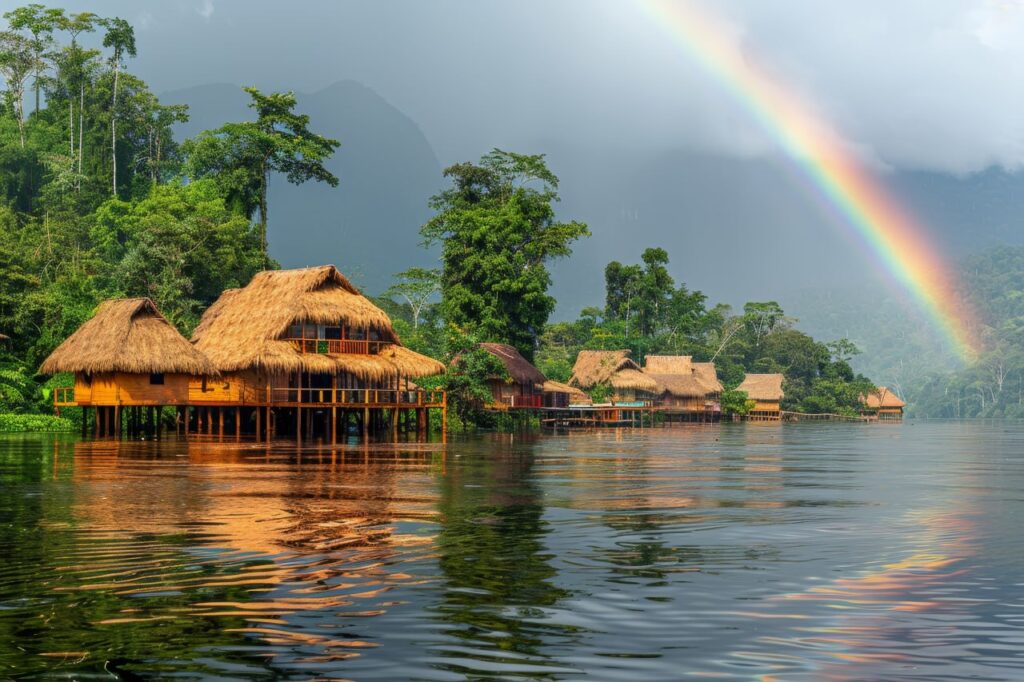
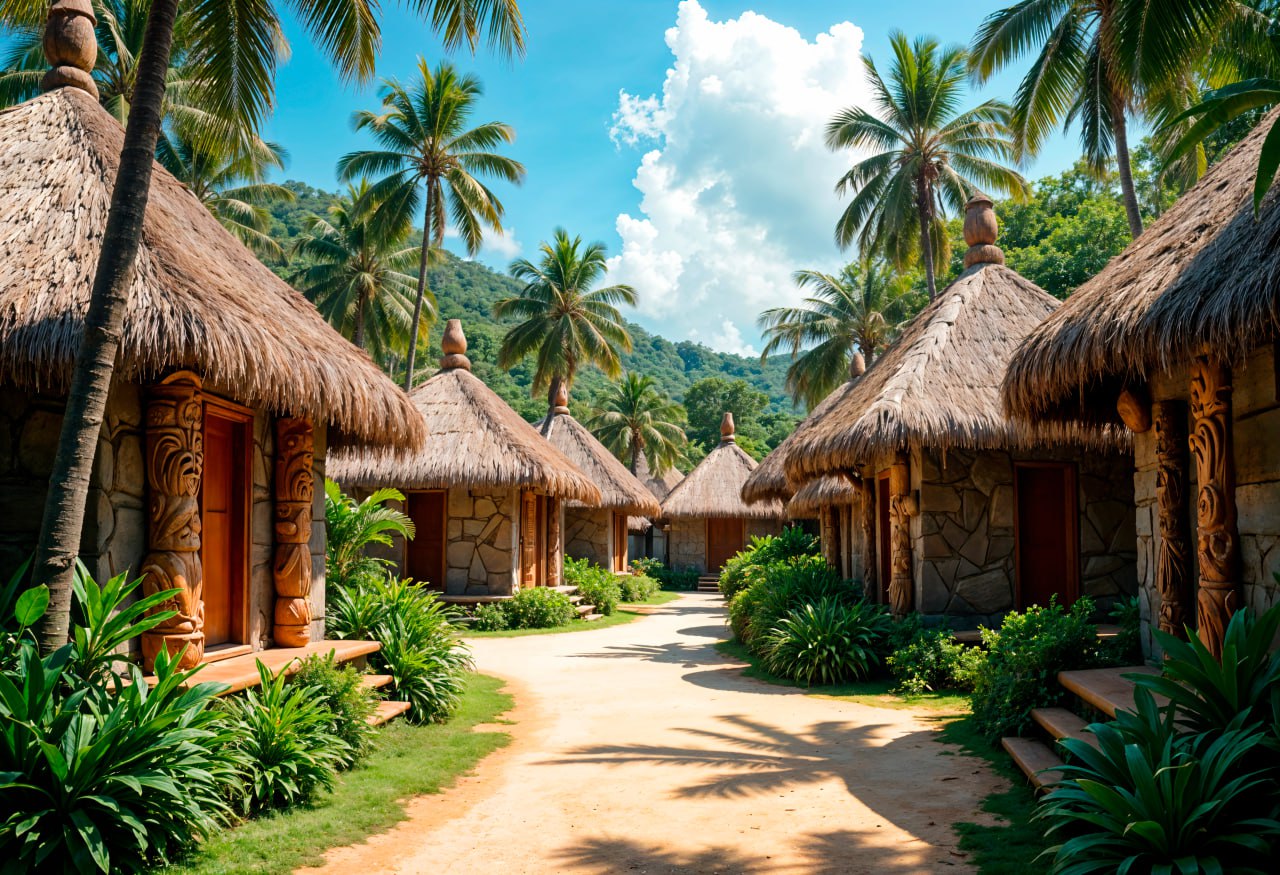
The site recreates traditional tribal habitats and showcases the cultural traditions of indigenous communities, including the Paniya, Kurichiya, Adiya, and Kattunaikka communities. Visitors can experience thatched huts, traditional crafts, folk performances, and herbal medicine demonstrations. With more than 10,000 annual visitors, the village serves as both a tourism destination and an educational centre, promoting cultural awareness and sustainable tourism.
The village operates from a 2,863.51-square-foot office space with nine full-time staff members who manage daily operations, visitor experiences, and cultural programmes. It also supports Kerala’s broader tourism objectives, with an emphasis on sustainable development in a biodiversity-rich region of the Western Ghats.
However, the growth of eco-conscious travel has increased operational expectations. Sustainability performance was uneven across the ESG pillars, with stronger environmental practices accompanied by gaps in social and governance areas. Build to Sustain partnered with Heritage Tribal Village to apply its proprietary SIM framework and develop actionable recommendations that connect heritage conservation with measurable sustainability improvements.
Problem Identification
Multifaceted sustainability gaps across ESG pillars
The village’s rapid launch and focus on cultural immersion over operational efficiency created imbalances across Environmental, Social, and Governance pillars. Each gap escalated costs and undermined the village’s eco-heritage ethos.
Environmental Challenges (81% Score)
- Design Deficiencies: Office boasted 76% natural lighting but lacked renewable energy sources like solar panels and energy-efficient architectural designs like passive cooling. Full reliance on non-renewable grid power in a biodiversity-rich area prone to heavy rains.
- Elevated Energy Consumption: Electricity consumption was reported at 251 to 350 kWh per year. Although efficient lighting was in use, renewable energy integration and HVAC optimization remained areas for improvement.
- Limited Circular Economy: Only 31% of office supplies sourced from recycled materials. Leading companies source over 50% from recyclables, reducing waste disposal fees by 25%.
- High Water Consumption: Monthly intake at 1,301-1,500 litres despite 25% water recycling. In water-scarce Wayanad with alternating monsoons and droughts, best practices target under 1,000 litres with 30-40% recycling.
Social Challenges (59.9% Score)
- Management & Hygiene Shortfalls: Eco-friendly cleaning products and waste segregation systems were in place, but composting for organic waste was absent. Approximately 200 kg of organic waste was reportedly sent to landfills annually.
- Comfort Infrastructure Gaps: Good temperature control and recreational facilities, but missing ergonomic infrastructure led to posture-related issues among desk-based staff.
- Employee Health Deficiencies: Structured initiatives, regular health check-ups, and mental health support were entirely lacking. Staff faced high stress from visitor demands without outlets.
- Inadequate Community Integration: Moderate engagement occurred sporadically, but structured community-wide programs were absent. Leading enterprises run quarterly activities enhancing loyalty by 25%.
Governance Challenges (46.1% Score)
- Absence of Certifications: No recognized sustainability certifications like LEED, IGBC, or WELL were held despite adherence to basic standards. This void hindered grant access from eco-tourism boards.
- Basic Smart Systems: Automated lighting and HVAC sensors existed with centralized monitoring, but comprehensive IoT for resources was missing. Industry benchmarks use full IoT for 20% consumption cuts.
- Lack of Future Readiness: No detailed sustainability roadmap or measurable goals were established, leaving progress ad hoc. Leaders publish yearly targets with quarterly updates ensuring alignment.
- Transport & Safety Gaps: EV charging and carpooling support provided, but bicycle storage and dedicated sustainable parking were lacking. Good safety systems existed, but comprehensive landslide-specific training was absent.
Solution Implementation
Custom 11-point SIM roadmap for heritage tourism
Build to Sustain addressed challenges through our SIM framework, conducting on-site audits in June 2025. The result: a custom 11-point roadmap phased over 24 months, integrating cultural elements like visitor sapling planting to ensure heritage synergy.
Environmental
Roadmap Elements
- 1. Enhance Cover and Design with Solar Integration
Recommended immediate solar panel installation (15 kW minimum) utilizing local bamboo for authenticity. Partnered with Kerala Renewable Energy Agency for subsidies. By Q4 2025, achieved 30% electricity coverage, reducing grid dependence and aligning with 20-30% energy savings benchmarks. - 2. Optimize Energy Consumption
Solar solutions coupled with HVAC upgrades formed the core. Deployed 5 kW initial panels, scaling to 15 kW by 2026. Staff training ensured monitoring. Projected 25% reduction (63-88 kWh savings) matching leader benchmarks under 200 kWh/employee. - 3. Advance Circular Economy Practices
Procurement policies shifted to 50% recycled sourcing, engaging tribal artisans for upcycled supplies. Quarterly supplier audits prioritized recyclable packaging. Boosted from 31% to 50% by mid-2026, slashing waste fees by 25% and embedding tribal reuse traditions. - 4. Reduce Water Consumption
Fixture upgrades and IoT sensors enabled real-time monitoring. Installed low-flow taps and rainwater harvesting, targeting 30% cut (390-450 litres monthly savings). Advanced management apps tracked usage, hitting 30-40% recycling benchmarks and mitigating drought risks. - 5. Improve Indoor and Outdoor Environment Quality
Deployed IoT air-quality systems and adjustable controls. Expanded green landscaping with native Western Ghats plants. Enhanced comfort aligning with best practices for occupant health, positioning as a wellness heritage site.
Governance
Roadmap Elements
- 9. Secure Certifications and Compliance
Pursuit of IGBC certification started in Q3 2025, targeting completion by 2027. Documentation support validated adherence. Enhanced credibility unlocking grants, matching leader validations for stringent 2026 ESG standards. - 10. Upgrade Technology and Foster Innovation
Expanded IoT coverage for energy, water, and waste with centralized dashboards. Published a clear roadmap with annual targets, reviewed quarterly. Public dashboards tracked progress ensuring SDG alignment, preventing ad hoc efforts and attracting eco-investors. - 11. Refine Transport and Safety Preparedness
Added bicycle storage and 25% EV parking allocation meeting 20-30% benchmarks. Implemented tailored landslide protocols with bi-annual training and audits. Drills aligned with green standards achieving 100% disaster readiness in Wayanad’s challenging terrain.
Social
Roadmap Elements
- 6. Strengthen Management and Hygiene
Implemented on-site composting facility converting 100% organics to compost for campus gardens. Bi-weekly staff training integrated with waste systems. Diverted 200 kg waste yearly, improving hygiene and reducing landfill impacts. - 7. Elevate Employee Comfort and Wellness
Introduced comprehensive ergonomic furniture including adjustable desks for all nine staff. Launched structured wellness programs: monthly mindfulness sessions, quarterly counselling, bi-annual health evaluations. Achieved 100% participation, cutting turnover risks by 20%. - 8. Deepen Community Integration
Launched quarterly initiatives like tree-planting workshops involving locals and visitors. Bi-monthly educational sessions on tribal sustainability. Structured engagement strengthened ties, co-creating content that boosted authenticity and visitor retention.
Results
Measurable transformation achieved
Post-implementation SIM score rose to 5.8/10 by June 2025, with sustained gains. Measurable outcomes addressed initial challenges, yielding cost savings, enhanced reputation, and stronger tribal partnerships.
5.8
SIM Score (Target 7.5 by 2027)
+12%
Revenue Growth
-15%
Cost Reduction
+22%
Visitor Satisfaction (NPS)
Detailed ESG Results
| Category | Pre-Implementation | Post-Implementation | Key Outcomes | Business Impact |
|---|---|---|---|---|
| Environmental | 81% | 85% (projected 90% by 2027) | 25% energy reduction, 30% water cut, 50% recycled sourcing | 15% emission drop, 500 saplings/year offset, 18% eco-tourist influx |
| Social | 59.9% | 70% | 100% staff training, 20% productivity boost, quarterly community events with 200 participants | 15% staff retention improvement, +22% visitor satisfaction, stronger tribal partnerships |
| Governance | 46.1% | 60% | IGBC certification in progress, 20% resource optimization via IoT, full disaster readiness | Compliance with 2026 ESG rules, 10% operational cost efficiency, enhanced brand as sustainability leader |
| Overall SIM | — | 5.8/10 (target 7.5 by 2027) | Net-zero roadmap to 2032, 15% total cost reduction | 12% revenue growth from green marketing, aligned with SDGs 8 & 13 |
Conclusion
Transforming challenges into strengths through purpose-driven sustainability
Heritage Tribal Village’s journey with Build to Sustain transformed challenges into strengths. Measurable gains across all ESG pillars delivered cost savings, staff empowerment, and visitor loyalty while preserving the authentic tribal heritage that makes this destination unique.
Energy fixes curbed bills by 25%, social programs reduced staff churn by 15%, and governance frameworks ensured scalability with a clear path to IGBC certification. The 5.8/10 SIM score serves as a credible foundation for the 2027 target of 7.5/10.
For B2B experts in cultural tourism and heritage preservation, this case underscores SIM’s role in driving profitability through purpose. Heritage Tribal Village now leads as a model for sustainable indigenous tourism in India’s Western Ghats region.
Ready to transform your heritage site’s sustainability journey?
Turn your cultural preservation mission into certified ESG credentials. Start your free assessment today.