

Overview
Genuine eco-tourism meets data-driven sustainability
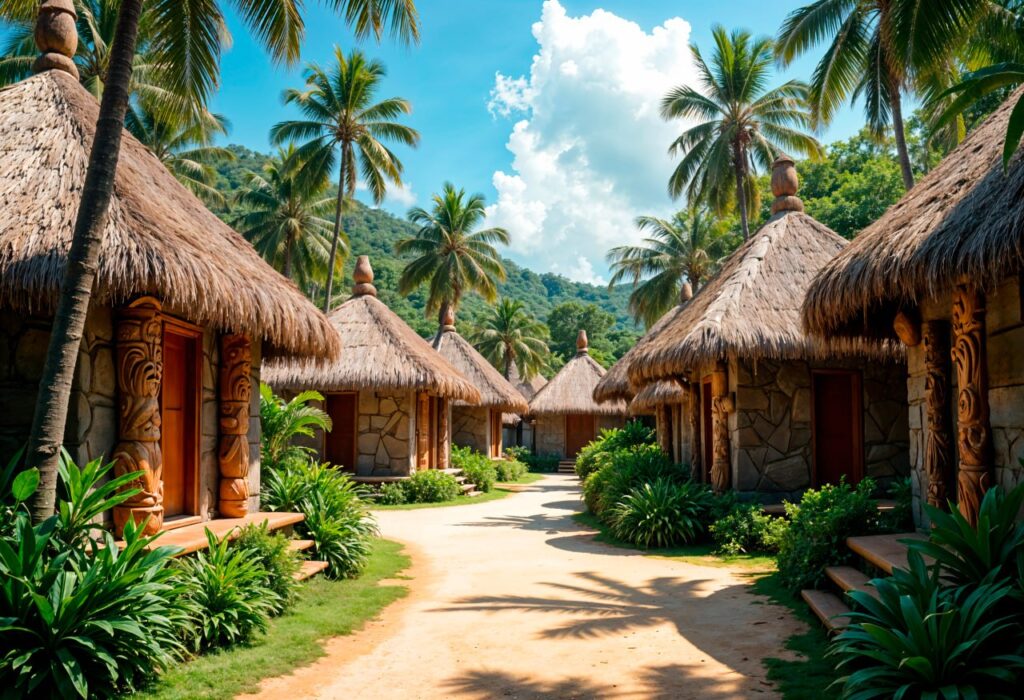
Eco Lodge is an eco-tourism property nestled in the biodiverse hills of Wayanad, Kerala. The resort features cottages built primarily with locally sourced bamboo, combined with modern comforts and traditional Kerala architecture. It actively involves local communities in its operations, sourcing materials, food, and labour locally.
Guests enjoy immersive nature experiences amid the Western Ghats, with peaceful surroundings, proximity to wildlife, and responsible hospitality. Wayanad is a popular eco-tourism destination in India, attracting travellers interested in rainforest treks, biodiversity, and low-impact stays.
Kerala’s tourism sector has rebounded strongly, but competition remains intense. Eco-conscious guests and B2B partners, including corporate retreat organisers, tour operators, and certification bodies, increasingly demand clear evidence of sustainable practices. Green claims increasingly require measurable evidence.
Eco Lodge was founded on strong environmental values, including bamboo construction and support for local livelihoods. However, the management team lacked a structured system to assess, measure, and improve its overall sustainability performance. Build to Sustain deployed its Sustainability Index Metrics (SIM) to evaluate performance across 12 categories, providing a baseline score, identifying gaps, and developing an actionable roadmap.
Problem Identification
ESG gaps threatening competitive position
Before the assessment, Eco Lodge operated with genuine sustainability intent but had fragmented and largely unmeasured practices. The SIM assessment identified specific gaps across environmental, social, and governance areas.
Environmental Challenges
- Energy Inefficiency: No double-glazed windows on at least 10% of windows, increasing heat transfer and energy demand. Passive cooling/heating design elements were under-utilised. Major appliances lacked Energy Star certification.
- Limited Renewables: Only 0-10% of electricity came from renewables. No renewable backup power or formal energy management system. Indoor lighting was not consistently energy-efficient.
- Water Management Gaps: Rainwater harvesting existed, but recycled/greywater systems for landscaping or flushing were absent. Wastewater recycling was not implemented, leading to higher freshwater consumption in a region prone to seasonal water stress.
- Materials & Waste: Use of low-VOC paints was incomplete. Recycled construction materials were below best-practice levels despite bamboo use. Waste diversion from landfills was not maximised. Some areas lacked full composting.
- Biodiversity: Preservation plans existed but were not fully active across all operations.
Social Challenges
- Employment Gaps: While local skilled persons were employed, the percentage in full-time and part-time roles fell short of top benchmarks. Women’s involvement could be expanded for greater inclusivity.
- Community Support: Support for broader social causes and nature conservation programs was ad-hoc rather than systematic.
- Transport Limitations: Bicycles were available, but carpooling, shuttle services, and EV charging infrastructure were missing. Distance to public transport scored moderately.
- Indoor Environment: Good daylight and windows in parts, but fresh air exchange systems and air filtration were not fully optimised, affecting guest and staff comfort.
Governance Challenges
- No Certifications: No formal sustainability certifications (LEED, GRIHA, IGBC, EDGE, BREEAM, etc.) were in place. This reduced credibility with B2B partners and certification-seeking clients.
- No Tracking System: No centralised system to track, score, or report sustainability performance. Practices relied on good intentions rather than data and continuous monitoring.
- Documentation Gaps: Awareness of GHG emissions and carbon-reduction practices existed but lacked documentation and integration into operations.
- Inconsistent Enforcement: Waste collection frequency, segregation systems, and eco-friendly cleaning products were not uniformly enforced or measured.
Solution Implementation
SIM framework: practical, India-focused assessment
Build to Sustain implemented a targeted, practical solution using the Sustainability Index Metric (SIM) framework. The approach was collaborative, non-disruptive, and tailored to Indian eco-lodges with clear tools, local benchmarks, and an actionable roadmap.
Environmental
Solutions
- 1. Design & Energy Optimization
Energy Star appliances, renewable backup systems, energy management implementation, and renewable electricity percentage improvements. Quick wins included expanding energy-efficient lighting to >90% and planning renewable integration. - 2. Water Conservation Systems
Implementation guidance for installing greywater systems for landscaping and flushing, reducing freshwater consumption and addressing seasonal water stress concerns. - 3. Materials & Waste Management
Structured waste segregation system using colour-coded bins for proper separation at source. Small-scale incinerator for safe disposal of non-recyclable dry waste, reducing landfill dependency. - 4. Greenery & Ecology Enhancement
Tree cover percentage targeting >25%, vegetation preservation with native plants, active biodiversity plans, and landfill diversion. Built upon existing bamboo and green areas to strengthen ecological integration.
Social
Solutions
- 5. Community & Employment Enhancement
Increased engagement of women and local skilled workers in full-time and part-time roles. Formalised support for community social causes with structured programs rather than ad-hoc initiatives. - 6. Sustainable Transport Options
Expanded transport options by adding EV charging stations, shuttle services, and carpooling arrangements to reduce emissions and improve guest accessibility. - 7. Indoor Environment Quality
Improved humidity control systems, ensured adequate windows for natural light and ventilation in every room, and optimised guest space allocation to enhance comfort and well-being.
Governance
Solutions
- 8. Formal Sustainability Monitoring
Implemented structured sustainability monitoring system using the SIM tool for regular tracking and reporting. Developed phased action roadmap with clear timelines, responsibilities, and targets. - 9. Certification Pathway
Pursuit of relevant sustainability certifications such as GRIHA, IGBC, or EDGE to enhance credibility with B2B partners and guests. Integration of sustainability performance into daily operations and management reviews. - 10. Transparent Documentation & Reporting
Established transparent documentation and reporting mechanisms to support future audits and stakeholder communication, enabling confident communication of achievements.
Results
Strong, measurable improvements across ESG
The SIM assessment produced strong, measurable improvements that directly resolved the ESG gaps. Eco Lodge achieved an overall SIM Score of 8.13 out of 10.
8.13
Overall SIM Score
10/10
Indoor Environment Quality
>25%
Tree Cover Achieved
<5%
Waste to Landfills
Detailed ESG Results
| Category | Score | Key Outcomes |
|---|---|---|
| Greenery & Vegetation | High | Tree cover >25%, native plants preserved, biodiversity plans activated |
| Surroundings & Ecology | High | High waste diversion (<5% to landfills), daily waste collection, composting facilities operational |
| Energy | Improved | >90% energy-efficient lighting, renewable integration planned, Energy Star appliances |
| Water | Improved | Greywater systems implemented, stronger water conservation practices, reduced freshwater consumption |
| Materials | Improved | Better material recycling, low-VOC paints expanded, bamboo construction maintained |
| Indoor Environment Quality | 10/10 | Improved fresh air exchange, humidity control, multiple windows per room |
| People & Community | Strong | Expanded local employment, bicycle availability, structured community support |
| Comfort & Transport | Strong | Better space per guest, EV charging planned, shuttle services added |
| Governance | Established | Formal measurement system, clear documentation, certification pathway (GRIHA/IGBC) |
Conclusion
From fragmented practices to high-performing sustainable operation
Eco Lodge has moved from fragmented practices to a well-governed, high-performing sustainable operation. With a robust SIM Score of 8.13, lower costs, reduced environmental footprint, stronger social contributions, and transparent governance, the property now exemplifies responsible eco-tourism in the Western Ghats.
Build to Sustain delivered this transformation through a straightforward, data-driven ESG approach using the SIM tool. What began as challenges in environment, social, and governance areas became measurable strengths.
Resource efficiency rose, costs fell, guest appeal increased, and the lodge gained a competitive edge in Kerala’s eco-tourism market. The SIM Score provides an ongoing benchmark for continuous improvement.
Ready to elevate your eco-lodge with measurable sustainability?
Get your SIM Score and actionable ESG roadmap. Start building a greener, more profitable future.