
Overview
A comprehensive sustainability transformation for healthcare
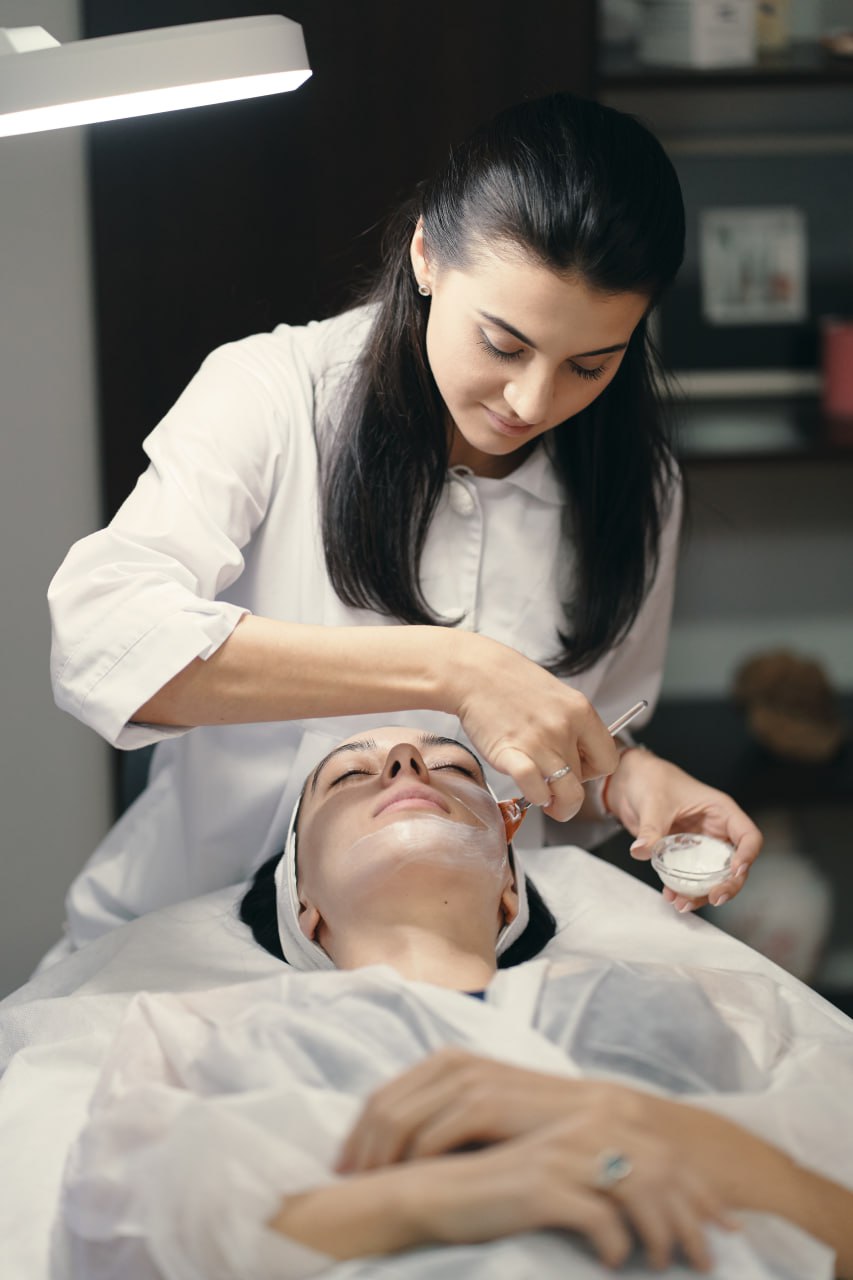
This skin clinic is a dermatology and cosmetology centre in Kozhikode. Its philosophy centres on “science meets beauty,” providing safe, effective, personalised, non-surgical solutions focused on natural-looking results and long-term patient well-being.
The clinic serves patients of all ages, including children, with thorough consultations, clear explanations, and ongoing support. In a city like Kozhikode, where a humid tropical climate, pollution, and lifestyle changes can contribute to skin concerns, the clinic has developed a holistic approach to patient care.
India’s dermatology market continues to grow, alongside increasing interest in ethical and environmentally responsible healthcare practices. The clinic identified an opportunity to extend its philosophy of natural results and long-term well-being to its own operations. Its leadership wanted to align daily practices with its patient-focused approach.
Problem Identification
Key Challenges Across ESG Dimensions
The SIM assessment identified gaps across the Environmental, Social, and Governance dimensions.
Environmental
- Passive Design Features: 64.4%
- Energy Consumption: 31.3%, with no renewable energy integration
- Circular Economy Practices: 57.3%
- Water Consumption: 53.3%
Social
- Comfort: 33.3%, with opportunities to strengthen ergonomic measures
- Employee Health & Wellness: 63.6%
- Community Integration: 0%, with no structured local initiatives
Governance
- Certifications & Compliance: 0%
- Technology & Smart Systems: 0%
- Innovation & Future Readiness: 0%
Solution Implementation
Custom Roadmap with 14 Prioritized Initiatives
Build to Sustain conducted a SIM assessment on 20 September 2025 and developed a sustainability roadmap aligned with relevant GRI standards, BEE EPI considerations, and CPCB guidelines.
Environmental
Initiatives
- Energy Efficiency & Renewable Integration
20% energy reduction in 18 months, 10 kW rooftop solar, energy-efficient HVAC - Energy-Saving Policies
Automated shutdown protocols, motion sensors, low-cost mindful consumption changes - Smart Resource Monitoring
IoT systems within 12 months targeting 15% reduction in water and energy - Sustainability Certifications
Pursue LEED or IGBC certification for third-party validation - Biodiversity & Carbon Management
Community biodiversity projects, carbon audits, tree-planting and offset initiatives
Wellness
Employee Wellness
- Mental Wellness & Ergonomics
Launch monthly mental health workshops, bi-annual ergonomic assessments, and annual health check-ups covering at least 90% of staff. Provide on-demand professional support. This closes social gaps and improves retention in a demanding clinical setting.
Engagement
Employee & Stakeholder
- Sustainability Workshops & Challenges
Quarterly challenges, 80% employee participation target - Green Champions Team
Internal cross-functional team to own and celebrate initiatives - Internal Sustainability Campaigns
Aligned with UN SDG 13, 100% staff engagement through training
Community
Social Capital + Global Standards
- Social Sustainability Partnerships
Organize quarterly community programs (tree planting, cleaning drives) with 80% employee participation. Measure impact via feedback. - Adopting SDG Goals
Explicitly link clinic operations to SDG 3 (Good Health and Well-Being), SDG 12 (Responsible Consumption and Production), and SDG 13 (Climate Action). Integrate sustainable procurement, energy efficiency, and water stewardship into daily practice.
SDG-Aligned Action Items
Detailed Implementation Plan
Sustainable Procurement (SDG 12 Core)
Update the procurement policy: Minimum 30% of all supplies (gloves, gowns, packaging, office stationery, cleaning products) must be recycled, biodegradable, or from certified sustainable vendors by June 2026.
Switch to eco-friendly clinical consumables which are medically safe (e.g., biodegradable procedure drapes, recyclable sharps containers, FSC-certified paper products).
Prefer Indian suppliers with verified low-carbon footprints for lasers, peels, and PRP kits.
Track procurement spend monthly and report the percentage of sustainable sourcing in quarterly team meetings.
Energy Efficiency (SDG 13 + supports SDG 12)
Install motion-sensor LED lighting and smart power strips in all non-treatment areas.
Run full energy audit and begin planning for 10 kW rooftop solar (target: 20% reduction in grid electricity by March 2027).
Set clinic-wide rule: All equipment and lights turned off at night unless required for safety.
Display real-time energy dashboard in the staff room so everyone sees daily usage.
Water Stewardship (SDG 12 + SDG 13)
Already recycling wastewater and using low-flow fixtures.
Next step: Install water meters and track monthly usage against the <1,100-litre target.
Add signage in bathrooms and treatment rooms: “Every drop saved helps fight climate change (SDG 13)”.
Holistic Wellness Link to SDG 3
Continue and expand psychodermatology sessions where we can explicitly tell patients about both skin and mental well-being (SDG 3.4).
Offer every patient a free “Sustainable Skincare Guide” that recommends eco-friendly home routines, linking personal health (SDG 3) with responsible consumption (SDG 12).
Why This Solution
A Clinic-Specific Approach to Sustainability
The SIM approach was tailored to the clinic rather than based on a generic framework. It used the clinic’s available data while respecting patient-care priorities, allowing sustainability improvements to be planned without disrupting consultations or procedures.
The roadmap combined immediate actions, such as motion sensors and internal policies, with longer-term initiatives, including solar energy, IoT monitoring, and potential certification. The approach considered cost, feasibility for a mid-sized clinic, and measurable outcomes.
Alignment with relevant GRI, BEE, and CPCB frameworks provided a structured basis for sustainability planning. Most importantly, the approach extended the clinic’s “natural vitality” philosophy to its own operations.
Build to Sustain also provided implementation guidance, educational workshops, and subscription-based monitoring. This allowed the clinic to begin with lower-investment measures while planning larger capital improvements.
Results
Green Guardian status achieved
The clinic achieved an overall SIM score of 47/100 and received Green Guardian status in September 2025.
100%
Indoor & Outdoor Environment Quality
100%
Safety & Disaster Preparedness
81%
Transport Arrangement
Key Achievements
- Management and Hygiene: 64.3% (waste below PCB benchmark)
- Water Consumption: Below 1,100 litres monthly with active recycling
- Circular Economy Practices: 57.3% (strong clinical equipment sourcing)
- Passive Design Features: 64.4%
- Employee Health and Wellness: 63.6%
- IoT planning for 15% resource savings initiated
Conclusion
Sustainability Without Compromising Clinical Excellence
The Skin Clinic’s Green Guardian achievement demonstrates how specialty healthcare providers can integrate sustainability practices while maintaining their focus on clinical excellence and patient care.
With a SIM score of 47/100, the clinic now has a structured assessment of its sustainability performance, identified improvement areas, and a 14-point roadmap covering resource efficiency, employee well-being, community engagement, and governance.
The roadmap extends the clinic’s philosophy of long-term vitality to its operational practices. Further monitoring will help assess progress in employee participation, resource consumption, and cost management, while certification pathways can be evaluated as the sustainability programme develops.
Ready to transform your sustainability journey?
Our SIM assessment typically takes 6-8 weeks from data collection to delivery.