

Company Overview

VKC Pride is an Indian footwear manufacturer headquartered in Kozhikode, Kerala, and established in 2000. The company operates two manufacturing units at Kinalur with an installed capacity of 35,000 pairs per day. It produces EVA, PU, PVC, rubber, and textile-based footwear for markets across India and international markets, including GCC countries.
Like many manufacturers operating at scale, VKC’s environmental and social footprint extends beyond its own operations into a diverse supplier base. The company maintains a documented vendor register of more than 55 active suppliers across 10 Indian states. Approximately 78% are registered MSMEs, while around 24% are located within Kerala.
This fragmented supplier ecosystem is essential to VKC’s product supply chain and represents a material part of its broader ESG position. However, it was also one of the least-measured areas of its sustainability programme.
The Challenge
Supply-Chain ESG Made Visible
VKC had made progress in its own operational sustainability efforts. However, its supplier ecosystem presented three structural challenges.
Scope 3 Opacity
Value-chain emissions can represent a significant and difficult-to-measure part of a manufacturer’s environmental footprint. While VKC’s Scope 1 and Scope 2 baseline was still being developed, its Scope 3 emissions across its supplier network lacked structured visibility.
A Fragmented, Mostly-MSME Base
With more than 55 suppliers across 10 states and approximately 78% classified as MSMEs, supplier data maturity varied considerably. There was no standardised approach for collecting and reporting ESG information across the supplier base.
Supplier Screening Flagged but Not Solved
VKC’s assessment identified formal supplier ESG screening and sustainability-related contract clauses as near-term improvement areas. The company recognised the gap but did not yet have the methodology or capacity to implement a structured supplier assessment programme.
The supplier ecosystem was therefore an important part of VKC’s ESG position that required greater measurement and visibility. Build to Sustain addressed this area during the first year rather than deferring it to a later reporting cycle.
In short: the most important part of VKC’s ESG story lived in its supply chain, and it was invisible. BTS chose to take it on in year one rather than defer it.
OUR SOLUTION
A Measurable Supplier System
Build to Sustain approached the supplier ecosystem as a structured and measurable system rather than a collection of individual vendors. Four components supported the assessment process at scale.
| Component | Role in the programme |
|---|---|
| Bridge — supplier data platform | Bridge provided a supplier-facing portal through which vendors could submit foundational information, including products and quantities supplied, energy use, fuel types, waste streams, water consumption, and transportation data. This information supported the development of VKC’s Scope 3 emissions baseline. |
| SIM supplier framework | The SIM framework provided a seven-pillar ESG assessment covering Environmental, Social, and Governance dimensions. The framework was designed to be size and sector agnostic, allowing smaller MSMEs to be assessed using the same underlying principles as larger organisations. |
| Two-layer questionnaire | The first layer collected foundational data through Bridge. A second questionnaire captured additional ESG practices, including policies, certifications, safety systems, and sustainability targets that go beyond the data required for Scope 3 calculations. |
| Transparent tiering model | The assessment used a 100-point scoring system with five tiers: Platinum, Gold, Silver, Bronze, and Committed. Gating logic ensured that suppliers were not penalised for issues that were not applicable to their operations. For example, a supplier that did not generate hazardous waste could receive full marks for the relevant criterion. |
The seven pillars span the three ESG dimensions:
| Environment | Social | Governance |
|---|---|---|
| Energy & Climate | Health & Safety | Governance & Commitments |
| Water & Effluent | Labour & Social | Certifications, ethics, |
| Waste & Circularity | Reporting, climate targets | |
| Materials & Product |
EXECUTION AT SCALE
Build to Sustain managed the supplier-facing process from onboarding through assessment and reporting. Suppliers were onboarded to Bridge and guided through foundational data submission to support Scope 3 analysis.
The additional ESG questionnaire was then issued and followed up across the assessed supplier base. Responses were evaluated across the seven pillars using a transparent scoring model. Practice-based questions used binary Yes/No scoring, while quantitative indicators such as renewable energy share, waste recovery rates, and workforce metrics used graduated scoring bands.
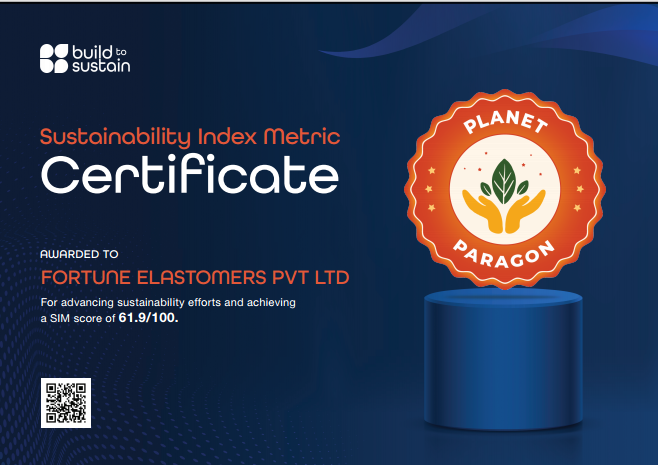
Gating logic supported fair assessment. A supplier that generated no hazardous waste or liquid effluent was not penalised for the absence of those activities. Each assessed supplier received a scorebook covering its tier, dimension scores, product profile, and ESG highlights. High-performing suppliers also received formal BTS Supplier Rated certificates.
RESULTS
THE ECOSYSTEM MAPPED
The assessment created a benchmarked view of the 13 suppliers assessed within VKC’s broader 55+ supplier ecosystem. Rather than using a simple pass or fail approach, the tiering model placed each assessed supplier within a defined sustainability maturity range.
Tier distribution across 13 suppliers
| Tier | Score band | Suppliers | What it signals |
|---|---|---|---|
| 91-100 | 1 | Benchmark-setter: mature ESG across all dimensions | |
| 75-90 | 2 | Sustainability leader: certified systems, strong governance | |
| 60-74 | 1 | Sustainability-ready: formal targets, structured systems | |
| 45-59 | 3 | Sustainability-aware: foundations with a clear pathway | |
| below 45 | 6 | On the journey: participation and intent, roadmap defined |
The variation across the assessed suppliers provides a transparent view of different levels of ESG maturity, from more established sustainability systems to suppliers at an earlier stage of their sustainability journey.
RANKED ECOSYSTEM VIEW
The supplier ranking provided VKC with a supplier-level benchmark that could support supplier engagement, procurement discussions, and future Scope 3 analysis.
| Rank | Supplier | Score | Tier |
|---|---|---|---|
| 1 | 91 | Platinum | |
| 2 | 83 | Gold | |
| 3 | 78 | Gold | |
| 4 | 64 | Silver | |
| 5 | 58 | Bronze | |
| 6 | 53 | Bronze | |
| 7 | 52 | Bronze | |
| 8 | 44 | Committed | |
| 9 | Evergreen Cartons | 43 | Committed |
| 10 | 42 | Committed | |
| 11 | 40 | Committed | |
| 12 | 39 | Committed | |
| 13 | Goodlays | 29 | Committed |
Recognising the leaders
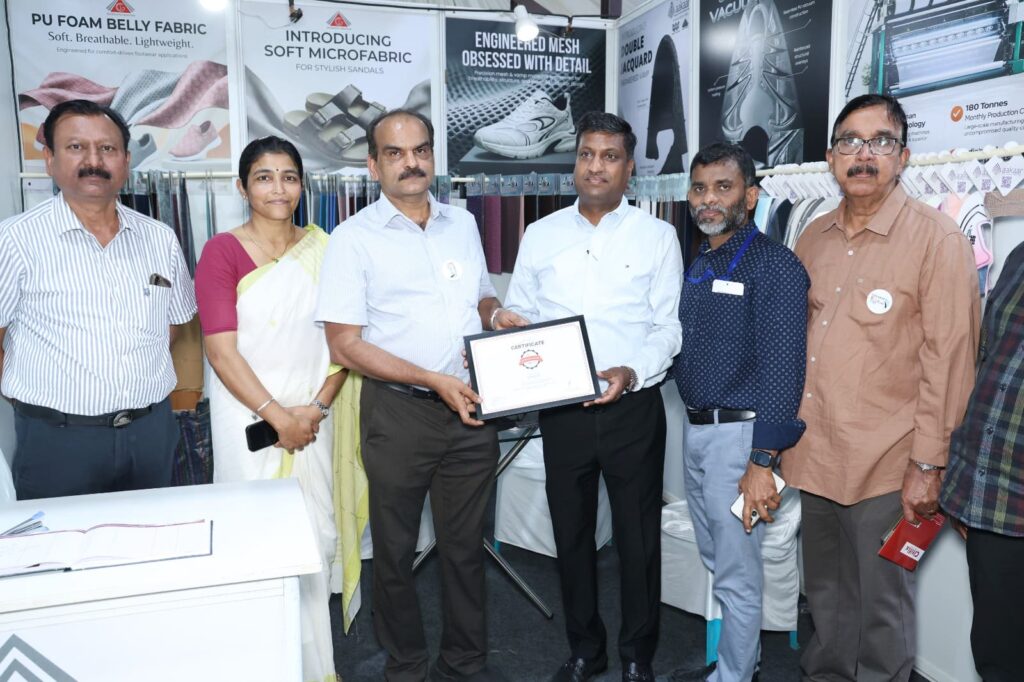
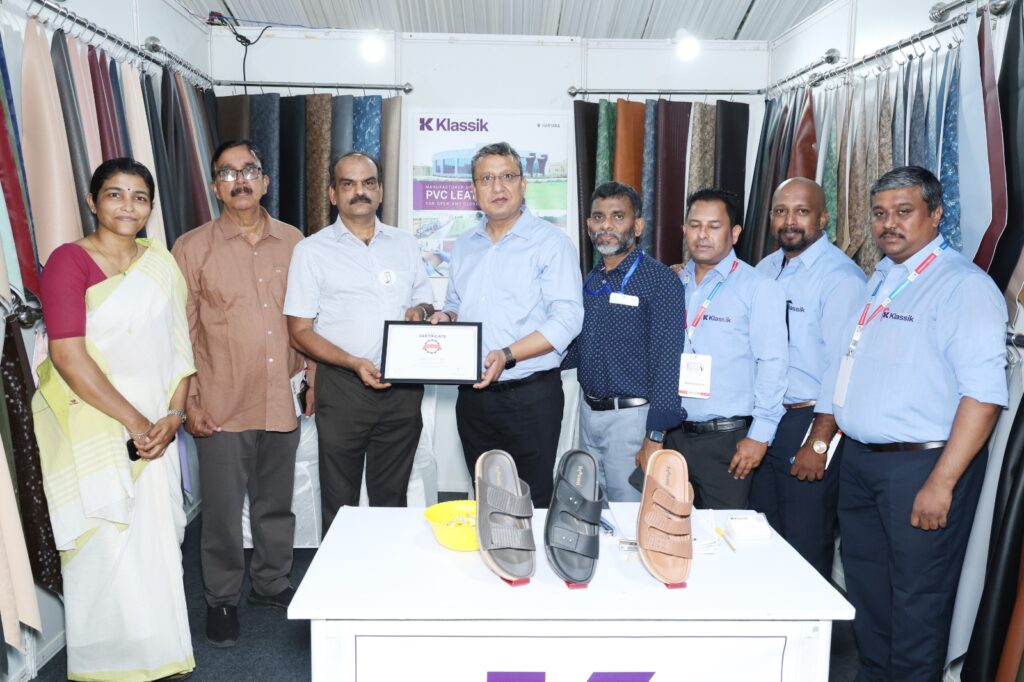
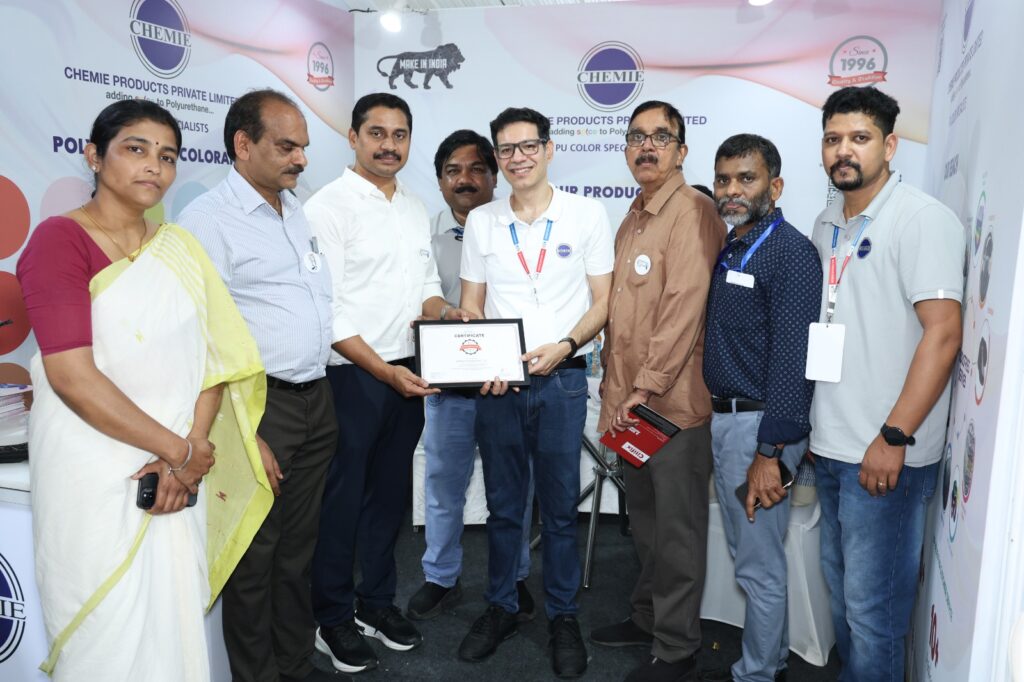
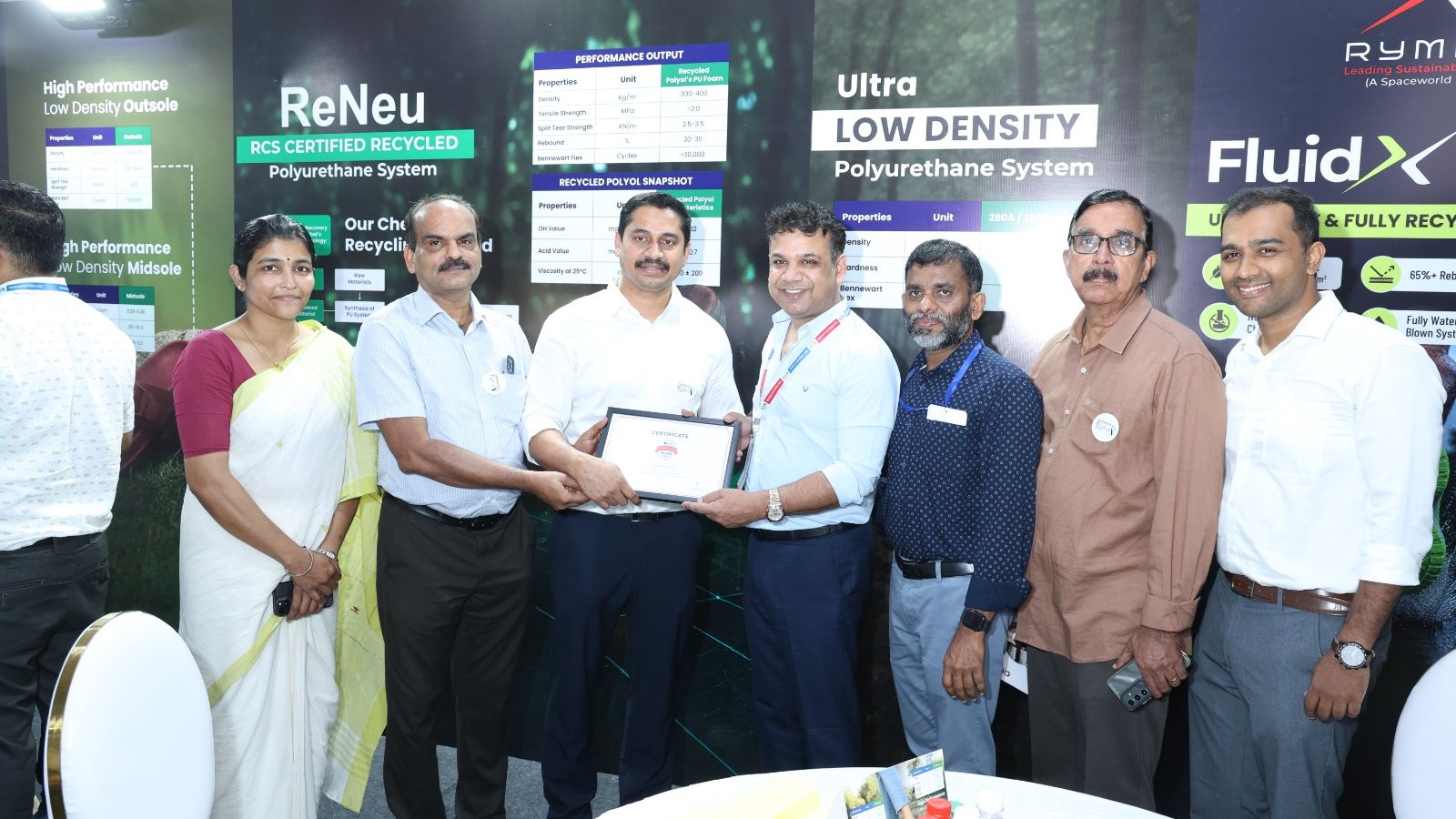
The programme concluded with formal recognition of high-performing suppliers through BTS Supplier Rated certificates. This provided a way to acknowledge sustainability performance and support continued supplier engagement.
IMPACT: STRENGTHENING VKC’s ESG POSITION
The supplier assessment was designed to strengthen VKC’s broader ESG position in three key ways.
1. It made Scope 3 tractable in year one
Supplier-level product, energy, fuel, waste, and transportation data provided a foundation for Scope 3 emissions analysis. This allowed VKC to begin building greater visibility into value-chain impacts during the first year of the programme.
2. It discovered practices the report could use
The ESG assessment identified documented supplier practices relating to renewable energy, water recycling, effluent treatment, waste recovery, management-system certifications, and occupational safety. These findings could support VKC’s supply-chain and governance disclosures where the underlying evidence was available.
3. It closed a gap VKC had itself flagged
VKC’s assessment had identified formal supplier ESG screening as a near-term priority. The rating programme introduced a structured and repeatable approach to supplier screening, converting an identified improvement area into an established assessment capability.
Scope 3 measurement can be challenging for manufacturers with fragmented supplier networks. The programme gave VKC a structured way to assess, benchmark, and document supplier ESG performance during its first year.
Key Takeaways
For a large organisation with a sizeable supplier ecosystem or an advisory firm serving such clients this engagement demonstrates a repeatable capability:
- Supplier ESG can be industrialised. A platform (Bridge), a transparent framework (SIM), and a tiering model turn a fragmented base into a structured, comparable dataset.
- Scope 3 measurement can begin in year one. Supplier data collected for ESG assessment can also support the development of a Scope 3 emissions baseline.
- Supplier engagement can be managed systematically. A centralised process can cover supplier onboarding, data collection, follow-up, scoring, and reporting.
- Transparent benchmarking supports engagement. A clear tiering system and recognition of higher-performing suppliers can create a structured basis for continued sustainability improvement.