
Overview
French elegance meets Kerala wisdom
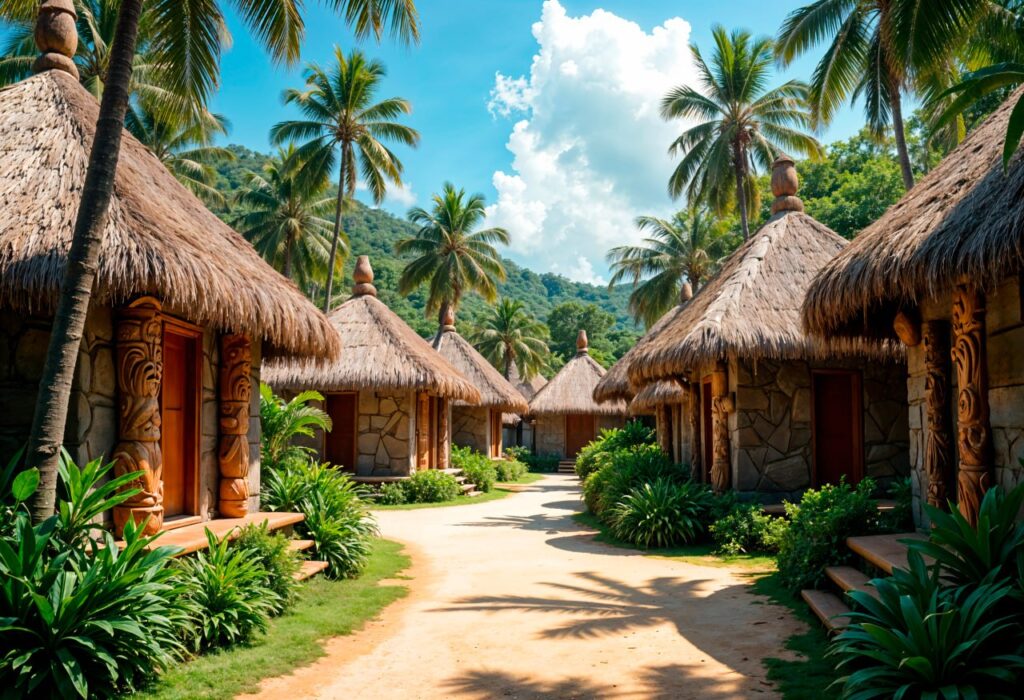
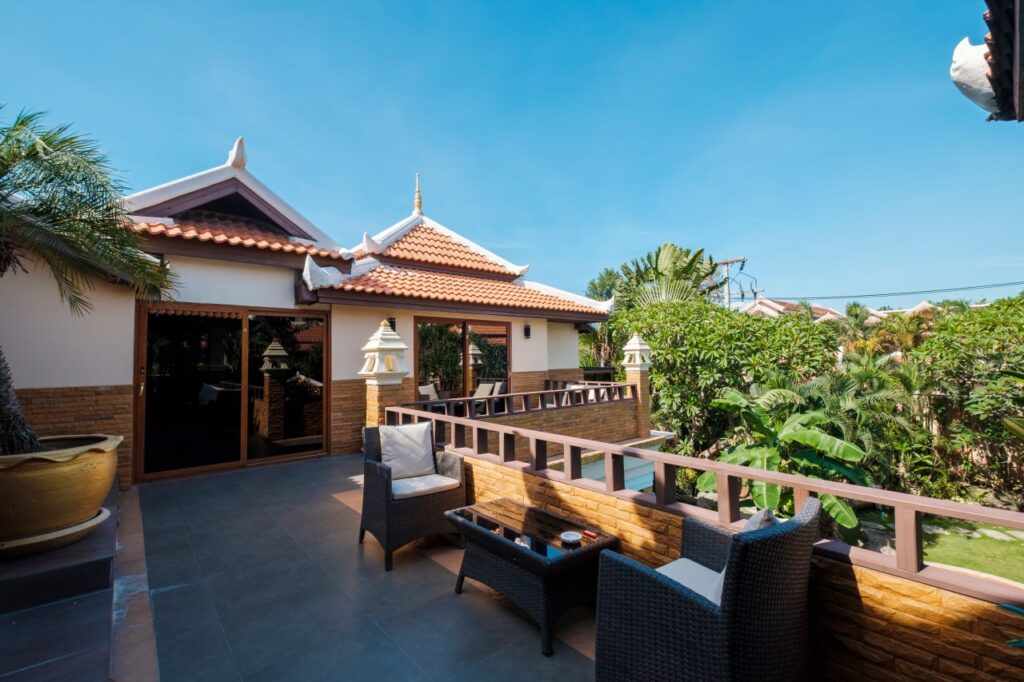
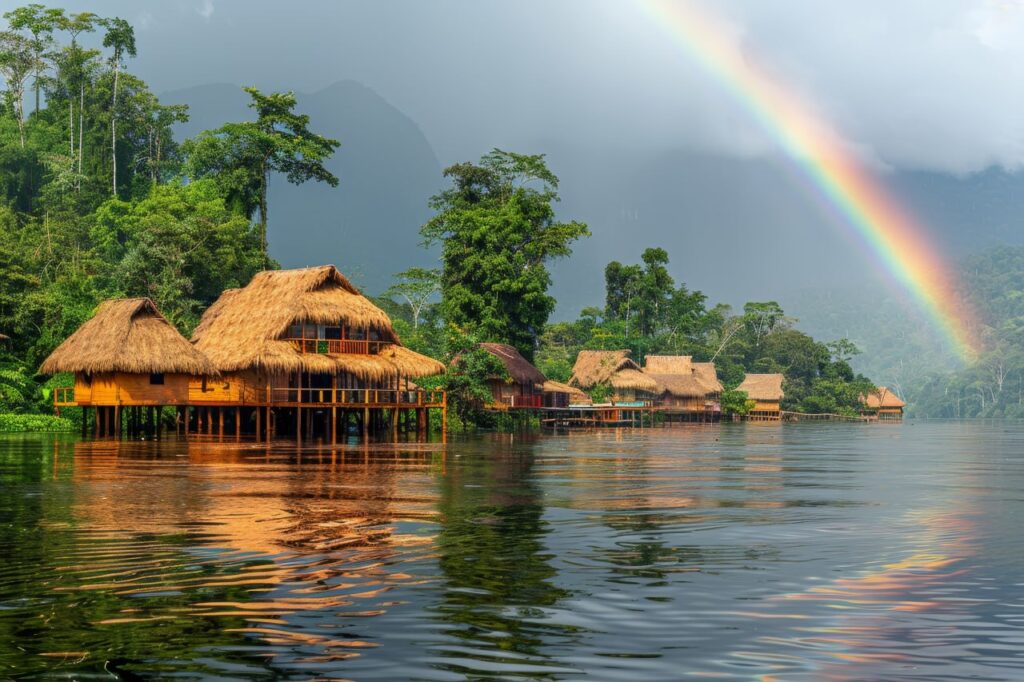
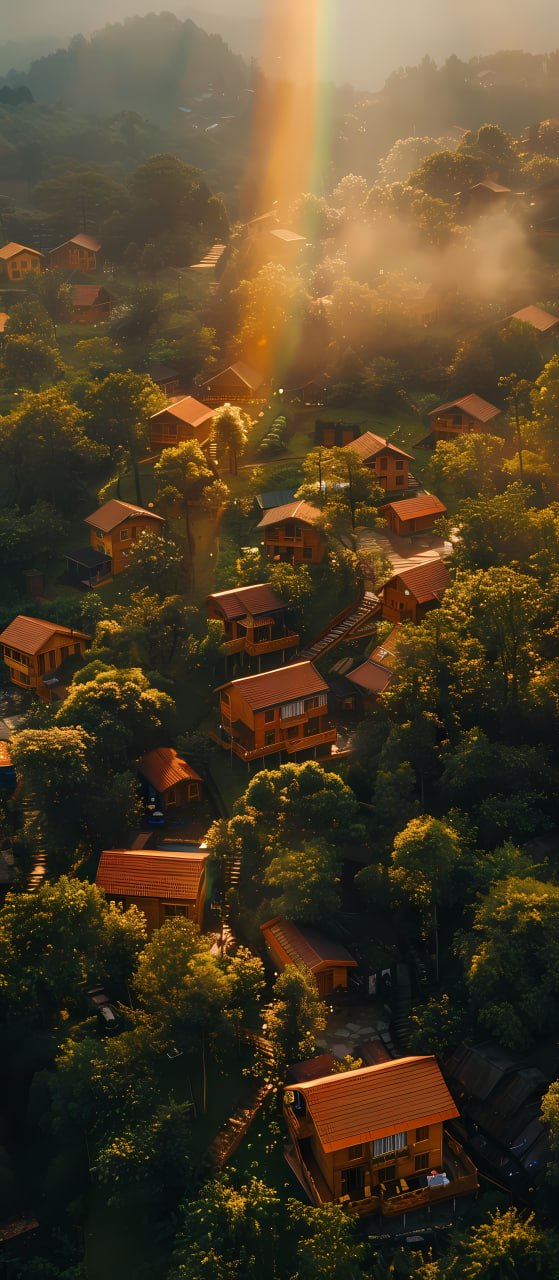
This boutique homestay is nestled in the lush hills of Wayanad, Kerala. It combines French-inspired design with local building traditions, using materials such as bamboo, reclaimed wood, and natural stone throughout the property.
Guests can explore tea estates, experience the region’s wildlife, and enjoy farm-to-table meals. The property has received strong guest ratings on platforms such as Booking.com and attracts eco-conscious travellers seeking nature-focused stays.
India’s homestay sector is experiencing continued growth alongside increasing interest in sustainable tourism. Wayanad’s biodiversity and natural landscapes further support demand for responsible, low-impact accommodation.
However, the homestay faced a core challenge: its sustainability practices were largely informal and lacked measurable evidence. Without structured metrics, it was difficult to demonstrate its environmental and social performance or differentiate the property in a competitive market. Build to Sustain’s SIM framework provided a structured approach to assessing sustainability performance and identifying opportunities for improvement.
Problems Faced
Challenges across ESG dimensions
Environmental (E)
- Construction Emissions: Built environment accounts for ~40% of global CO₂ emissions; remote locations increase transport-related carbon footprints.
- Poor Architectural Design: Inadequate designs fail to optimize natural ventilation, leading to heightened energy demands for cooling.
- Waste Generation: Inconsistent waste segregation results in high volumes of organic waste overburdening rural infrastructure.
- Water Inefficiency: Leaks and excessive usage lead to 20-30% wastage; neglecting greywater recycling increases freshwater dependence.
- Energy Overuse: Around 70% of homestay emissions stem from inefficient lighting, appliances, and heating/cooling systems.
- Poor Indoor Air Quality: High humidity promotes mold growth and allergens, requiring additional energy for dehumidifiers.
- Biodiversity Loss: Unplanned construction risks introducing invasive species and fragmenting habitats.
Social (S)
- Employment Gaps: Rural tourism frequently leads to shortages of skilled local workers without targeted training programs.
- Economic Leakage: Significant tourism revenue flows out to external suppliers rather than circulating locally.
- Gender Imbalances: Women underrepresented in higher-paying or decision-making roles due to cultural norms.
- Community Challenges: Without inclusive hiring, rural tourism can fail to deliver equitable economic benefits.
Governance (G)
- Limited Oversight: Small-scale homestays often lack formal governance structures and adherence to sustainability standards.
- Absence of Transparency: Minimal documentation or auditing makes it difficult to track progress or hold operators accountable.
- Weak Planning: Inadequate governance contributes to poor resource management and staff training gaps.
- Accountability Gaps: Limited engagement with communities hinders responsible tourism policies.
Solutions Implemented
Comprehensive ESG transformation
Environmental
Local & Low-Impact Building
Construction used bamboo, reclaimed wood, natural stone, passive cooling, natural ventilation, optimal solar orientation, and low-VOC paints to minimize embodied carbon.
Sustainable Sourcing
Over 80% of materials sourced locally (within 500 km), responsible forestry for furnishings, and more than 60% recycled elements to promote circular economy.
Waste Segregation
Source segregation for biodegradable, recyclable, and non-recyclable waste; on-site composting; single-use plastic ban; achieving <5% landfill waste.
Water Conservation
Rainwater harvesting with storage pools, regular leak audits, low-flow fixtures, terrace fields for natural filtration and groundwater recharge.
Energy Optimization
Motion-sensor and timer-controlled lighting, guest unplugging guidelines, staff training, passive solar design with large windows and reflective surfaces.
Biodiversity Stewardship
Active preservation plans, revitalization of land with native plants to support pollinators, minimize irrigation, and protect local ecosystems.
Social
Inclusive Employment
Prioritized hiring of women and local residents, supported by global-standard training programs and community skill-development workshops.
Community Engagement
Educational signage, incentives for sustainable behaviours, refillable amenities, and authentic local experiences for visitors and hosts.
Governance
Structured Management
Clear operational protocols, staff training programs, regular audits (plumbing, waste, energy), guest guidelines, and dedicated systems.
Transparency & Accountability
Signage, incentives, and documented practices for waste, water, energy, and sourcing to track performance and demonstrate stewardship.
Results Achieved
Outstanding SIM Score: 8.2/10
8.2
Overall SIM Score
50%
Emissions Below Average
90%+
Waste Diverted
15+
Local Jobs Created
Segment-wise Scores
| Segment | Score | Key Outcomes |
|---|---|---|
| Good Cover & Design | 9.5/10 | 20-30% energy cost reduction; enhanced eco-harmony and guest comfort via local materials |
| Greenery & Vegetation | 10/10 | >90% organic waste diversion; nutrient-rich compost for gardens, zero-waste education |
| Water Consumption | 4.5/10 | 40-50% non-drinking needs met by harvesting; 15% cost savings (greywater gap noted) |
| Energy Consumption | 7.8/10 | 25% peak-hour reduction; mindful culture via training, lower bills/outages |
| Materials Used | 10/10 | 70% transport CO2 cut; tons of virgin materials saved, healthier air |
| Management & Hygiene | 7/10 | 75% recycling rate; 30% operational waste reduction, toxin-free hygiene |
| Indoor Environment | 8.1/10 | Zero mold; 90%+ “breathable” reviews, reduced energy for air control |
| Transport Arrangement | 6/10 | 40% emission cut for group arrivals; anticipated 20% boost from EV/bike plans |
| Surroundings & Ecology | 10/10 | 30% wildlife increase; near-zero footprint, immersive biodiversity benchmark |
| Comfort | 8.8/10 | 80% food mile reduction; 95% repeat intent via views and cultural dining |
| People | 10/10 | 15+ local jobs, 25% income uplift; diverse teams, social empowerment |
Conclusion
A benchmark for sustainable tourism
This homestay exemplifies sustainable tourism in Wayanad, achieving an impressive SIM score of 8.2/10 through innovative ESG practices that minimize environmental impact while enhancing guest experiences.
From locally sourced materials and rainwater harvesting to biodiversity preservation and community empowerment, the homestay’s holistic approach addresses key challenges like waste, energy, and water inefficiency with practical, scalable solutions.
These efforts have yielded tangible results, including over 90% waste diversion, 50% reduced emissions, and empowered local employment, fostering economic and ecological resilience.
Ready to rate your stays?
Let’s sustain your success with measurable ESG outcomes.